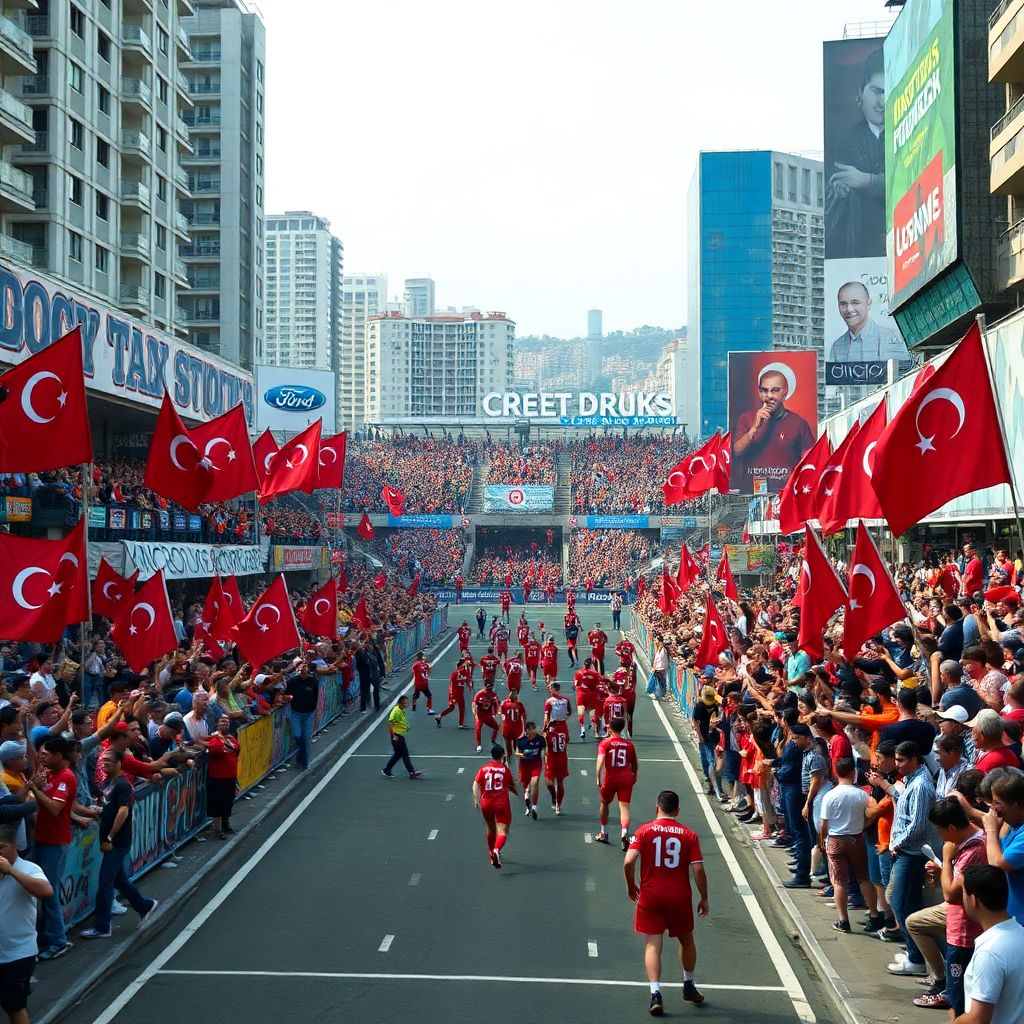
Turkish football culture is a continuum from improvised street games to intense stadium rituals, shaped by neighborhood identity, regional style, politics, and commerce. Street football teaches skills and social codes; professional clubs amplify them with choreography, chants, and media. Understanding this link helps visitors read local tensions, enjoy matches safely, and travel more meaningfully.
Essential Cultural Claims About Turkish Football
- Street football in Turkey is not just children’s play; it is an informal training system for technique, toughness, and neighborhood belonging.
- Big-club identities (especially in Istanbul) coexist with powerful regional loyalties from Anatolia to the Black Sea.
- Chants, banners, and colors function as a shared language, encoding history, humor, and political messages.
- Politics and faith do not replace football; they filter how certain fans choose clubs, heroes, and rivals.
- Commercialization, TV rights, and tourism (e.g., football tours Turkey) reshape matchday, but do not erase local fan rituals.
- Stadiums act as urban stages where social tensions, economic aspirations, and civic pride play out noisily but usually in structured ways.
Debunking Myths: Origins of Street Football in Turkey
Street football in Turkey covers everything from kids in Istanbul alleyways using plastic bottles as goals to organized evening games on concrete courts in Anatolian towns. It is defined less by formal rules and more by shared codes: who joins, when to stop, and how disputes are resolved without referees.
A stubborn myth claims Turkish football culture was “imported” fully formed via European clubs and only later filtered down to the streets. In reality, informal play predated the professional scene in many places. Neighborhood matches, school-yards, empty construction plots and village squares were already football spaces long before most fans entered a modern stadium.
Another misconception is that street football is chaotic and technically poor compared with academy training. Turkish street games are usually tight, small-sided, and played on rough surfaces. That environment pushes players to develop close control, body balance, and resilience. Many professionals later say they learned to shield the ball and handle pressure there, not in youth academies.
Finally, it is wrong to imagine a single, romanticized “Turkish street style.” Street football in a dense Istanbul district shaped by Galatasaray, Fenerbahçe, and Beşiktaş songs feels different from games in a Central Anatolian town, where community is smaller and family networks more visible. The shared core is improvisation and social negotiation, not a uniform way of playing.
From Alleyways to Anatolia: Regional Playing Styles and Local Traditions
Regional diversity matters for understanding how informal games feed into club cultures and how different cities receive visitors who arrive on football tours Turkey products or personal trips. A few recurring patterns help decode playing styles and rituals.
-
Istanbul: tight spaces, improvisation, and club-saturated neighborhoods
Street games happen in alleys, small parks, and under flyovers. Limited space favors quick one-twos, nutmegs, and fearless dribbling. Kids grow up hearing big-club anthems from balconies and cafés playing match replays, so technique and club identity develop together. -
Aegean and Mediterranean coast: laid-back rhythm with competitive edges
Coastal cities like İzmir and Antalya mix beach-style play with hard concrete pitches. Games often stretch into late evenings in summer heat. The atmosphere may look relaxed to outsiders, but rivalries between districts are real, and play can get very intense around local tournaments. -
Central Anatolia: endurance and tactical discipline
In many Central Anatolian towns, bigger open spaces allow larger sides and more structured formations. Local coaches, teachers, or older players may informally “coach” games, emphasizing running, pressing, and collective work. Players learn to accept hierarchy and tactical roles early. -
Black Sea region: emotional intensity and direct play
Black Sea communities tend to bring their expressive, often loud social style to the pitch. Matches can turn into events with spectators commenting loudly, arguing over fouls, and celebrating goals dramatically. The football itself is often more vertical and direct, mirroring the region’s high-energy fan culture. -
Eastern and Southeastern Anatolia: community-centered matches
Village squares, school fields, and dusty lots become community stages. Games can coincide with local celebrations. Younger players often mix with older ones, learning respect and unwritten rules. Hospitality to guests is strong, but so is sensitivity to honor, which shapes how disputes are handled. -
Cross-regional influence through migration
Internal migration brings Anatolian styles into Istanbul and coastal cities. A child from Trabzon playing in a suburban Istanbul schoolyard will bring Black Sea energy to a big-city game, while learning big-club chants and tactics in return. This constant mixing prevents any one style from freezing in place.
Fan Identity: Rituals, Chants and Symbolic Dress
Fan culture is where the journey from backstreet game to stadium lights becomes visible. Identity is carried in noise, colors, objects, and coordinated movement, and it is now packaged into experiences like istanbul football match packages offered to visitors.
-
Matchday dress and symbolic layers
Scarves, jerseys, and hoodies show club colors, but small details matter: old logos, retro designs, or locally printed slogans signal sub-groups. Many fans wear everyday clothes over their shirts on public transport and only reveal colors near the stadium to avoid confrontations in mixed areas. -
Chants as living history
Chants reference famous matches, players, or neighborhoods. Melodies may come from pop songs, military marches, or folk music. Ultras groups adapt lyrics quickly in response to political events or club crises, so listening carefully is a way to “read” current tensions without understanding every word. -
Pre-match gatherings and route rituals
Many groups meet in the same cafés, side streets, or squares before walking or taking buses to the stadium. The route itself becomes a ritual: smoke flares, drumming on bus ceilings, call-and-response songs. These rituals build group confidence before entering a controlled stadium environment. -
In-stand choreography and role specialization
Some sectors lead chants, others focus on large banners or tifos. Fans self-assign roles: singers, drummers, banner carriers, camera operators. For visitors entering via istanbul football match packages, joining the singing (even just clapping in rhythm) is more appreciated than filming constantly with your phone. -
Merchandise as identity code
Official and unofficial turkey football fan merchandise-scarves, caps, stickers, even baby clothes-extend identity into daily life. Street sellers around stadiums offer items with inside jokes or local slogans that may never appear in official club shops, reflecting grassroots creativity instead of pure branding. -
Micro-scenarios: using this knowledge as a visitor
- You buy a scarf near the ground instead of at a generic mall, learning what a slogan means from the seller.
- You stand where regulars sing, watching a capo for cues before joining claps and simple chants.
- You dress neutrally on arrival and only show your colors once you are in a clearly one-club area.
Politics, Faith and Club Allegiance: Social Fault Lines on the Pitch
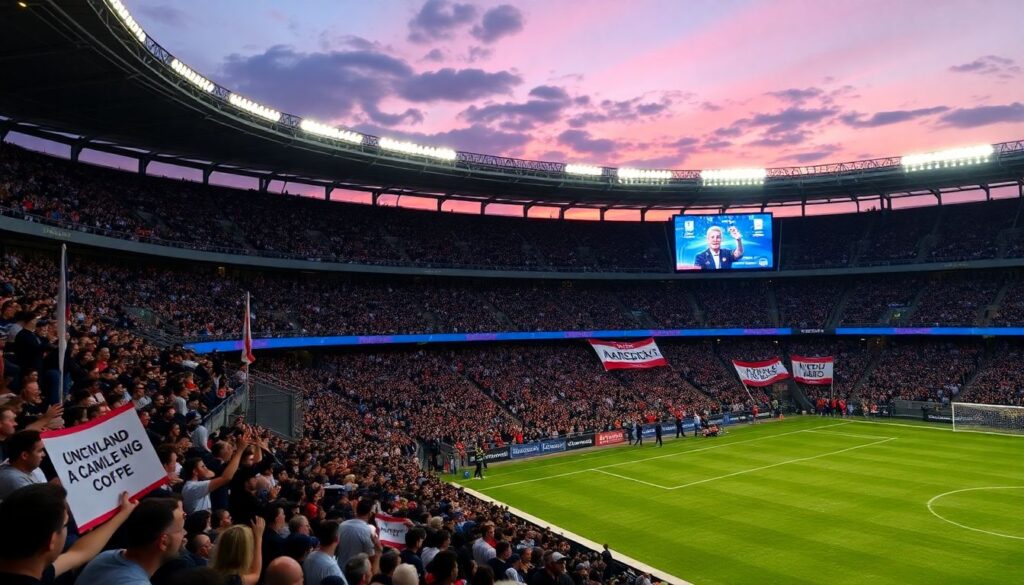
Politics and faith filter how people relate to clubs, but they affect fans unevenly. Some see football as pure escape; others see stadiums as one of the few mass spaces where they can speak back to power. Understanding benefits and limits helps avoid overly romantic or fearful readings.
Potential Social Strengths in Football Allegiances
- Collective voice: Chants and banners can articulate concerns (about club management, local issues, or national politics) that might feel unsafe or impossible in other public forums.
- Cross-class mixing: In some stands, workers, students, small business owners, and professionals share space, emotions, and sometimes organizing experience.
- Solidarity networks: Fan groups sometimes coordinate blood donations, earthquake relief, or fundraising for local causes, using their organizational capacity developed around matches.
- Visibility for marginalized groups: Certain fan collectives push anti-racist, anti-sexist, or anti-discrimination messages, challenging older stereotypes of ultra culture.
Tensions, Risks, and Limitations
- Polarization and labeling: Clubs or fan groups can get branded as “pro” or “anti” certain political currents, making cross-club friendships sensitive in some environments.
- Instrumentalization by elites: Political or business actors may try to use clubs and fan organizations as vote banks or PR tools, diluting grassroots autonomy.
- Exclusionary behavior: Nationalist or religious rhetoric inside chants can make some spectators feel unwelcome or unsafe, especially minorities or foreigners.
- Spillover into street tension: When political crises coincide with big derbies, emotions can overflow from stadiums into certain neighborhoods, especially near transport hubs.
- Online echo chambers: Social media groups amplify rivalries and rumors, turning local disputes into national-level conflicts in hours.
The Business of Fervor: Clubs, Media, and the Economics of Support
Football passion in Turkey generates significant revenue for clubs, media, and tourism actors, but commercial narratives often misrepresent how fans actually behave. Several myths shape how tickets, tours, and experiences are sold, especially to international visitors.
-
Myth: tickets are impossible to get without “special connections”
Reality: For most league games, you can often buy turkish football tickets online through official platforms, though high-profile derbies sell out quickly. Constraints come more from ID-based ticketing systems and dynamic pricing than pure scarcity. -
Myth: all fan experiences must be purchased as premium packages
Reality: istanbul football match packages are convenient if you want transfers, a guide, and guaranteed seats, but many fans still mix official tickets with DIY elements: local transport, street food, and meeting friends near the stadium. -
Myth: merchandise equals loyalty
Reality: Buying turkey football fan merchandise shows support, but hardcore fans may respect someone more for consistent attendance and singing than for wearing the latest expensive shirt. Fake or locally made items can carry more subcultural value than official gear. -
Myth: stadium tours reveal the “real” club soul by themselves
Reality: turkey football stadium tours give access to VIP areas, dressing rooms, and club museums, but they present a curated corporate history. The everyday soul of a club lives in regular stands, surrounding streets, and weekday conversations in barber shops and tea houses. -
Myth: TV pundits fully control fan opinion
Reality: Media narratives shape debates, but fan groups, social media accounts, and local café conversations often push back, mocking or rejecting pundit takes that diverge too far from terrace realities.
Stadium Life: Matchday Atmosphere, Safety and Urban Impact
Stadium life in Turkey combines intense passion with increasing regulation. Modern security systems, camera networks, and digital ticketing coexist with decades-old chants and habits learned on dusty side streets. A short comparison helps clarify how the experience differs between informal play and formal matchday.
| Aspect | Street / Neighborhood Football | Professional Stadium Match |
|---|---|---|
| Space and rules | Flexible pitch size, rules negotiated on the spot. | Fixed pitch, official laws, referees and VAR. |
| Social control | Peer pressure, older kids or adults settle disputes. | Stewards, police, cameras, and club regulations. |
| Access | Walk up and join or watch for free. | Ticket purchase, ID or pass, assigned seats. |
| Atmosphere | Local noise, informal spectators, mixed loyalties. | Large coordinated chants, ultras sectors, visual shows. |
To anchor this in practice, consider a simple, realistic mini-scenario for a visitor wanting to experience both sides of Turkish football culture in Istanbul over one weekend.
Scenario: from backstreet to big night under the floodlights
- Morning, local pitch: You walk through a residential district and see teenagers playing on a concrete court. After watching respectfully and asking politely, you join for a short game, noticing how fouls are resolved with quick arguments and pragmatic compromises.
- Afternoon, stadium surroundings: A few hours before kickoff, you reach the stadium area. Street sellers offer scarves and snacks; small groups chant briefly, then break off. You pay attention to which streets feel mixed and where colors are more uniform, adjusting how openly you show your own.
- Entering the stadium: You have already bought turkish football tickets online, so you pass security checks, scanning your ID or pass. Inside, you sit near a singing section, copying clapping patterns and simple chorus lines when they repeat.
- Post-match, reading the city: You leave with home fans, listening for how they interpret the result: blaming referees, praising a young player, or linking the game to wider club politics. On the tram back, you compare this structured intensity with the fluid, negotiable chaos of the morning street match.
This simple sequence shows how the same cultural codes-honor, negotiation, collective emotion-shift as you move from informal games to the heavily lit, televised stage of a professional Turkish football night.
Practical Clarifications and Common Misconceptions
Is it safe for foreigners to attend football matches in Turkey?
Most matches are safe if you follow basic precautions: use official ticket channels, avoid wearing rival colors near the ground, and leave if you sense tension in a particular street. Stick to main routes used by home fans and follow steward instructions inside the stadium.
Do I need to support a specific club to enjoy a game?
No. You can attend as a neutral, focusing on atmosphere and tactics. Many locals appreciate respectful neutrals who avoid mocking the home side and who show curiosity about chants and customs rather than filming everything from a distance.
Are organized football tours the only way to experience Turkish football culture?
Organized packages are useful if you prefer logistics handled for you, but you can also combine self-organized ticket purchases with informal exploration of neighborhoods, fan cafés, and local pitches. The richest understanding usually comes from mixing both approaches.
How early should I arrive at the stadium on matchday?
Arriving 60-90 minutes before kickoff allows time for security checks, finding your seat, and observing stands fill while chants build up. For high-profile derbies or European nights, arriving even earlier helps avoid crowded bottlenecks near entrances and transport hubs.
Can I bring my own banners or flags into the stadium?
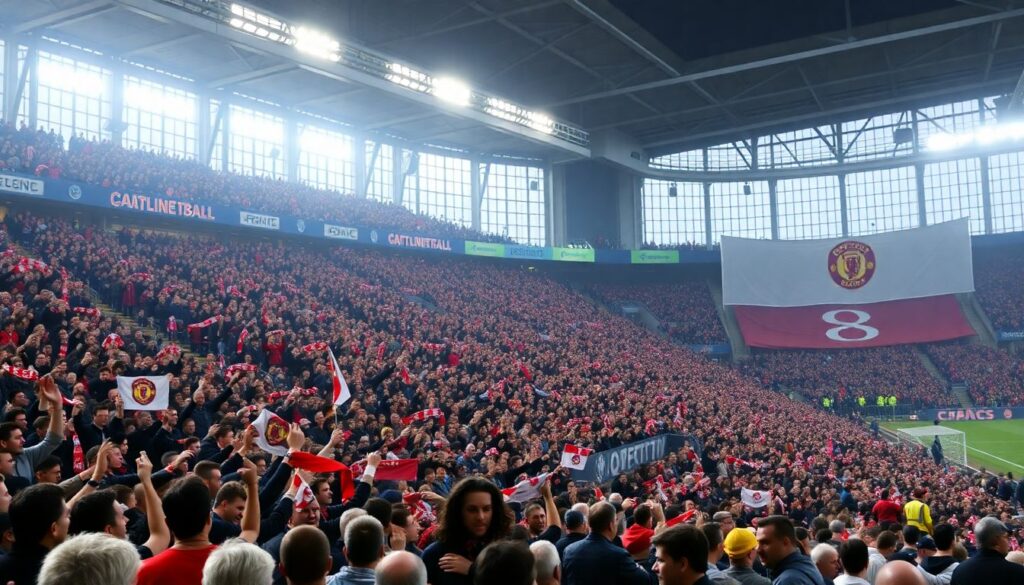
Regulations vary by stadium and competition, but in general large banners, flagpoles, or anything obscuring cameras may be restricted or require prior approval. Small scarves and flags are usually fine; always check club and league rules before the match.
How much Turkish do I need to understand chants and enjoy the game?
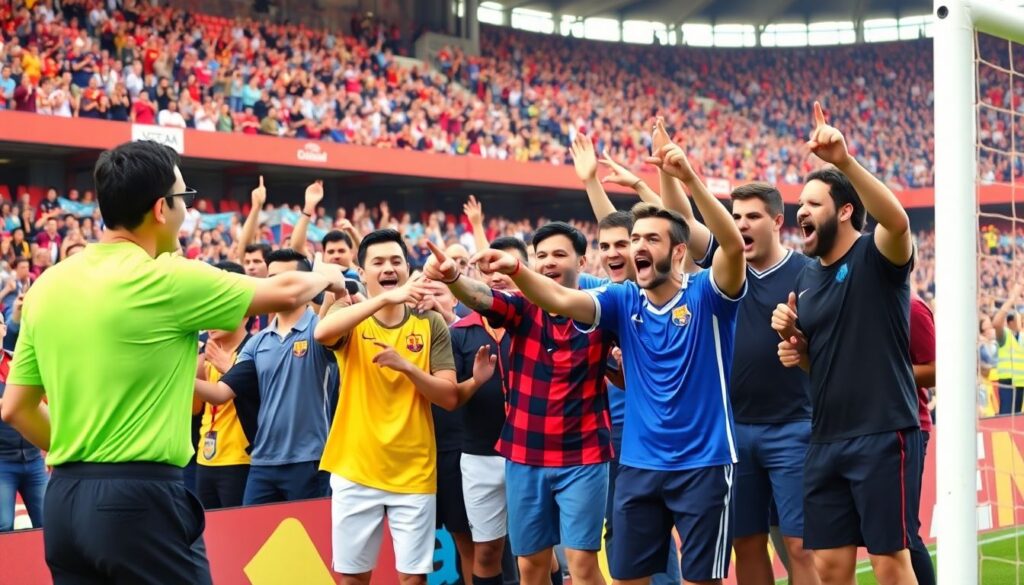
Basic phrases and numbers help, but you can enjoy rhythm and choreography without fluency. Learning a few simple chant lines, plus words for “goal” and “referee,” will deepen your experience and often sparks friendly conversations with nearby fans.
What should I wear if I do not want to signal any club allegiance?
Choose neutral colors, especially avoiding those of major rivals playing that day. Casual, comfortable clothes and a light jacket are enough. You can always buy a club-neutral scarf or hat near the stadium if you want a souvenir without committing to one side.