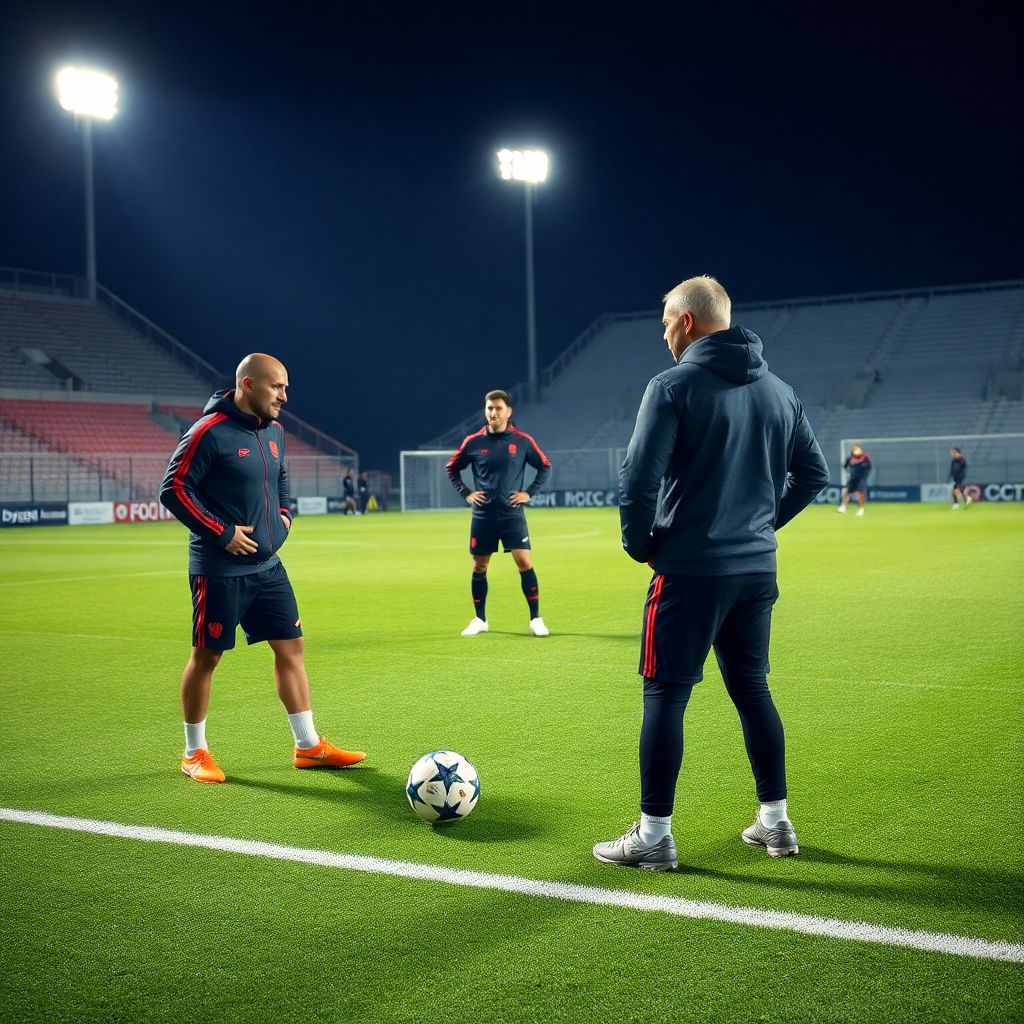
Pressing like Europe’s elite requires clear roles, smart risk control, and progressive training, not just “run more and higher.” Turkish clubs can safely adopt pressing tactics in modern football by starting with compact mid‑press, building fitness and coordination, using video and simple KPIs, and adapting ideas from European giants to local realities and budgets.
Foundational Pressing Principles
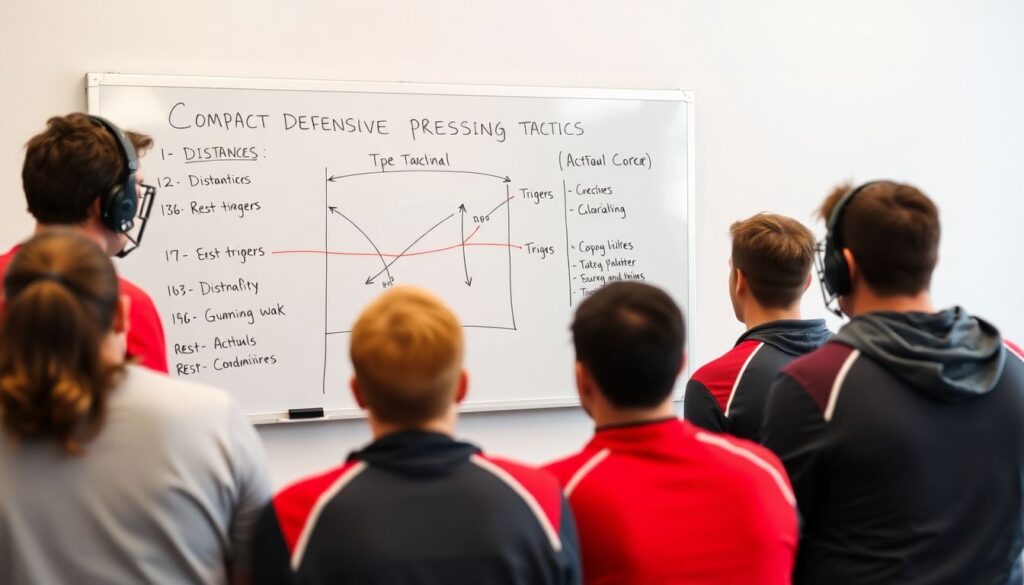
- Start from compactness and distances, not sprint volume or slogans.
- Choose one primary pressing height (high, mid, or low) per phase of the season.
- Define clear pressing triggers that every player can repeat under fatigue.
- Plan rest‑defence and cover before you plan ball pressure.
- Use video and basic data to verify what you “feel” from the touchline.
- Progress the load carefully, especially in hot weather and congested weeks.
- Adapt concepts from European giants to your squad’s age, fitness, and budget.
Why High Press Works: Evidence from Europe’s Best
For the top European clubs, high pressing is a way to control games without relying solely on creative stars. By winning the ball close to goal, they create fast, high‑quality chances and reduce long defensive phases. It is less about aggression and more about coordinated, repeatable movements.
In many turkish football tactics analysis reports, you see the same pattern: when lines stay compact and distances are short, Turkish teams can press effectively for short bursts, even against stronger European opponents. Problems start when the block stretches and individuals chase instead of moving together.
High press fits best when:
- Your back line is comfortable defending big spaces behind.
- Central midfielders can sprint, recover, and communicate constantly.
- You can train pressing schemes at least two times per week with high intensity.
- Club leadership accepts some risk and short‑term “messy” matches during adaptation.
It is usually a poor idea to press high for 90 minutes when:
- Your centre‑backs lack pace or are often injured.
- You have many older players or a very thin squad.
- You play in extreme heat or have two matches per week for long periods.
- Your team is still learning basic defensive organisation and compactness.
Realities for Turkish Clubs: Resources, Rosters and Context
Turkish clubs operate under specific constraints: climates with high summer temperatures, demanding fan expectations, and sometimes unstable squads due to frequent transfers. A smart pressing project must respect these realities instead of copying European giants blindly.
Before building your model, check these requirements:
- Human resources
- At least one assistant or analyst able to clip and tag video for pressing phases.
- Fitness coach ready to plan load around pressing intensity.
- Goalkeeper coach aligned with high starting positions and build‑up support.
- Tools and access
- Reliable match video (broadcast or wide‑angle) for regular turkish super lig match analysis.
- Basic tracking or event data, or external football tactical analysis services if internal data is limited.
- Simple software to draw on clips and export to players (desktop or tablet).
- Time and training slots
- Two weekly tactical sessions with at least 20-25 minutes dedicated to pressing.
- Room in pre‑season to introduce pressing principles before heavy tactical details.
- Club alignment
- Agreement from management that early mistakes are part of the process.
- Recruitment profile that values work rate, game intelligence, and defensive discipline.
| Aspect | European Giants (reference cases) | Typical Turkish Club Reality | Practical Adaptation |
|---|---|---|---|
| Squad depth | Two high‑level options per position, strong rotation. | Limited depth, big level drop to substitutes. | Shorter high‑press periods per match; prioritise 60-70 minute peak. |
| Data & analysis | Full analytics departments and custom models. | One analyst or outsourced football tactical analysis services. | Track 3-5 simple KPIs manually; focus analysis on key matches. |
| Coaching education | Staff with multiple elite european football coaching courses. | Mixed levels, often domestic licences only. | Target specific pressing modules, webinars, and visiting internships. |
| Climate & schedule | Milder climates, deep squads for rotations. | Hot conditions, congested fixtures for some clubs. | Use more mid‑press; limit full‑team high press in highest heat. |
| Fan & board patience | Medium‑term projects more accepted. | Short‑term results dominate decisions. | Communicate clear milestones and early visible wins (e.g. goals from pressing). |
Tactical Models to Import: Triggers, Compactness and Traps
Before applying any detailed step‑by‑step model, accept these main risks and limits:
- Over‑aggressive pressing can expose slow defenders and lead to easy goals conceded.
- Poorly planned load can cause fatigue spikes, injuries, and late‑game collapses.
- Complex schemes can confuse players if language and visuals are not clear.
- Copying a favourite European team may not fit your squad’s technical profile.
- Pressing without counter‑pressing structure can leave huge spaces after turnovers.
Use the following safe step sequence to build your pressing model progressively.
- Define your main pressing zone and height
Decide when you want to apply full pressure: high (around opponent box), mid (around halfway), or low (near your box). For most Turkish squads, a flexible mid‑press with occasional high‑press bursts is the safest baseline. - Set simple, universal pressing triggers
Start with two or three triggers that every player recognises:- Back pass to a centre‑back facing his own goal.
- Slow or bouncing horizontal pass between defenders.
- Opponent receiving with back to goal in central zone.
Design one primary reaction for each trigger so decisions become automatic.
- Organise compactness and cover first
Mark maximum distances between lines (e.g. goalkeeper-striker, defence-midfield). Work in training on squeezing space towards the ball while keeping one extra player as spare cover behind the line of pressure. - Create wide and central pressing traps
Decide where you prefer the ball to go: touchline traps or central traps. Guide the opponent there by:- Showing inside or outside with your body position.
- Leaving a “comfortable” passing lane that is actually your trap.
- Arriving aggressively with 2v1 or 3v2 once the pass is played.
Train both versions, but choose one as your default trap based on your players.
- Connect pressing with counter‑press and rest‑defence
When you attack, position at least two players behind the ball to stop counters. As soon as you lose possession, closest players attack the ball, second line blocks forward passes, and the rest sprint to regain compactness. - Embed communication rules and roles
Name a pressing “captain” who gives go/stop calls. Use short, agreed words in Turkish or English for triggers (e.g. “back”, “slow”). Goalkeeper coordinates back line height and warns about long balls.
Sample drills for triggers and compactness
Use these simple, safe drills to implement the concepts above.
- 4v4+3 rondo: trigger recognition
- Area: 25x25m. Four possession players outside, four inside, three neutrals.
- Pressing team must jump when coach calls a trigger (e.g. “back pass”).
- Coaching: distance between pressers, body shape to block next pass.
- 6v6+2 channels: wide traps
- Pitch split into three vertical channels.
- Attacking team must play through wide channels; defending team sets trap when ball enters side zone.
- Coaching: angle of approach, second defender cover, timing of sprint.
- 8v8 compact block game
- Shortened pitch (e.g. 50x40m), offside line high.
- Defensive team scores points for forced long balls or regains in mid‑zone.
- Coaching: line height, distances, communication, and rest‑defence positions.
Designing a Progressive Training Curriculum for Pressing
Use this checklist to keep your pressing curriculum structured and realistic across a season.
- Define a 4-6 week block focused on one main objective (e.g. mid‑press organisation) before adding complex variations.
- Plan at least one “principles” exercise and one game‑like exercise for pressing in each main session.
- Increase intensity gradually: start with small areas and low numbers, then expand pitch and players.
- Balance days: high‑pressing work on high‑intensity days, video and walk‑throughs on low‑intensity days.
- Include pressing moments in finishing drills so strikers learn to start the press after losing the ball.
- Use regular video reviews from turkish super lig match analysis to connect training clips with match situations.
- Assign individual development focuses (e.g. “timing the jump”, “cover shadow”) for 2-3 players per week.
- Revisit basic triggers and compactness rules every month to prevent tactical drift.
- Adjust drill duration and pitch size in hot weather to avoid dangerous fatigue accumulation.
- Document each session’s objective and main corrections to refine your long‑term plan.
Measuring Success: Analytics, Video, and Match KPIs
Many pressing projects fail not because of ideas, but because of avoidable measurement and feedback errors. Avoid these common problems.
- Tracking only physical data (distance, sprints) and ignoring tactical outcomes like forced long balls.
- Changing KPIs every week, making trends impossible to read.
- Using advanced metrics from big European clubs without checking if you have the same data quality.
- Relying solely on your live impression instead of re‑watching with calm, structured notes.
- Analysing only goals conceded from pressing, not the many times it prevented danger.
- Showing players long, unfocused video meetings instead of short, themed clips.
- Comparing your team unfairly to top European giants rather than similar‑level clubs.
- Ignoring goalkeeper and back‑line starting positions in your turkish football tactics analysis, even though they determine pressing success.
- Outsourcing all thinking to external football tactical analysis services without translating insights into practical drills.
- Failing to link KPIs with rewards, selection, and training focus, so numbers stay “on paper” only.
Mitigating Risks: Load Management, Rotation and Contingency Plans
High‑intensity pressing does not mean constant chaos or injury risk. Use these alternative setups to stay competitive when conditions are tough.
- Mid‑press with selective high bursts
Keep the block around the halfway line as your default. Plan 3-5 “high‑press windows” per half, usually after your own set‑pieces or clear tactical signals. This reduces running while keeping the threat of aggressive pressure. - Hybrid line: high against build‑up, low against transitions
Press high when the opponent starts slowly from the back, drop into a compact low block when they progress with speed. This protects tired legs and slow defenders from large open‑field duels. - Rotation by role, not only by position
Instead of rotating whole line‑ups, rotate the most intense pressing roles (wide forwards, eights) more aggressively. Use fresher players in these roles, especially in periods of congested fixtures. - Energy‑saving structures for younger or limited squads
For youth teams or lower‑budget clubs, focus on tight 4‑4‑2 or 4‑1‑4‑1 mid‑press organisation. Use european football coaching courses materials as inspiration, but keep distances short and instructions simple.
Common Practical Concerns and Fixes
How do I know if my team is ready to add high pressing?
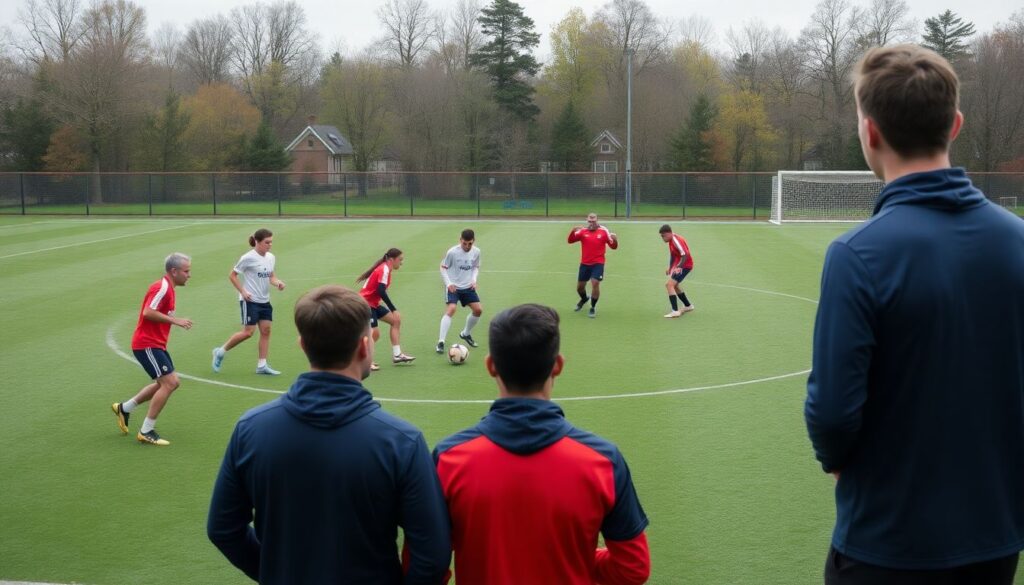
Check if your back line can defend space and your midfield can sprint repeatedly without big drop‑off. If you cannot keep compactness even in low‑intensity games, start with mid‑press and short pressing drills before attempting full high‑press schemes.
What are simple KPIs to track pressing performance?
Count high regains (within a set distance from opponent goal), forced long balls, and shots created within a few seconds after regains. Track them over blocks of 3-5 matches to see if your training is moving the numbers in the right direction.
How much video do players actually need to see?
Focus on short, focused clips: 5-10 examples per meeting around one theme (triggers, compactness, traps). Combine positive examples from your team, from opponents, and from European giants to keep engagement high and messages clear.
Can I press aggressively with slower centre‑backs?
You can, but with strict conditions: shorter pitch, strong pressure on the ball, and good rest‑defence positions. Avoid pressing when you are disorganised or in open transition, and use a deeper starting line to leave less space behind.
How do I introduce pressing ideas to youth players safely?
Start with fun, small‑sided games and rondos focusing on direction of pressure and body shape. Keep rules simple, use clear words, and avoid extreme fitness demands. Prioritise understanding and habits before volume of running.
What if the board or fans complain that pressing “looks risky”?
Show them clear clips and simple stats of chances created from pressing and goals prevented. Explain that the plan includes risk controls, such as scheduled high‑press periods, structured rest‑defence, and rotation, rather than constant all‑out pressure.
Do I need a big analytics department to analyse pressing?
No. With one motivated coach and basic video tools you can tag key moments and build a useful database. External services can help, but the most important step is turning insights into concrete training exercises and selection decisions.