Why “European Nights in Turkey” Feel Different
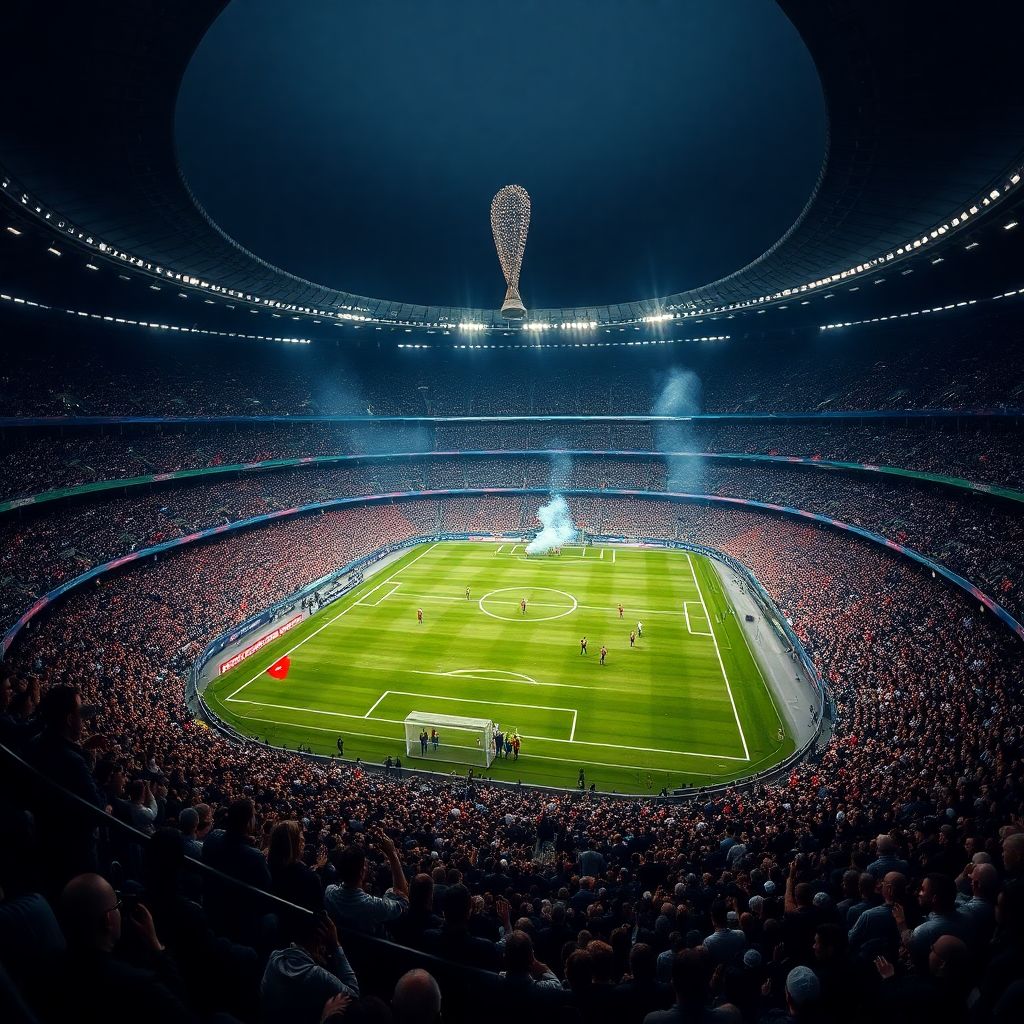
If you’ve ever watched a late‑kickoff game from Istanbul with the sound on, you already know: Champions League nights in Turkey hit differently. We’re talking about a specific mix of football culture, urban chaos, and modern stadium tech that turns a normal midweek fixture into a full‑blown event. When people say “European night”, they usually mean a high‑stakes Champions League match under floodlights; in Turkey this phrase also implies heavy choreography in the stands, non‑stop chanting, and a kind of organized anarchy that TV microphones can barely handle. Compared to many Western European grounds that feel more “corporate” these days, Turkish soil still delivers that raw, edgy energy — but now wrapped in a much more modern, high‑tech package than in the 2000s.
Key Terms: What We Really Mean by “Iconic” and “Technical”
Before going through specific matches, let’s lock down a few terms so we’re on the same page. When we say “iconic Champions League match”, we’re not just talking about a crazy scoreline. We mean a game that changes narratives: a comeback that shifts club history, a tactical masterclass that other coaches copy, or a night that rebrands a stadium as a hostile fortress. Also, you’ll see a few bits of modern analytics language: xG (expected goals) is a stat that estimates how likely each shot is to become a goal; high press means a team is aggressively trying to win the ball back near the opponent’s box; and defensive block is the shape your defenders and midfielders hold when you’re not pressing. These concepts matter because Turkish teams used to rely mainly on raw emotion at home, but now we see a clear tactical evolution where noise plus smart pressing equals very uncomfortable evenings for visiting giants.
The 2005 Istanbul Final: The Prototype of Chaos
We can’t talk about European nights in Turkey without starting with the 2005 UEFA Champions League final at the Atatürk Olympic Stadium: Liverpool vs Milan. On paper, this wasn’t supposed to be close. Milan had a superstar squad, scored early, then led 3–0 at half‑time. In basic tactical terms, Liverpool’s 4‑4‑1‑1 shape was being ripped apart by Milan’s fluid diamond midfield. And yet, what followed turned Istanbul into football folklore. Liverpool’s switch to a back three and more aggressive pressing in midfield flipped the momentum: within fifteen minutes of the second half, it went from 0–3 to 3–3. The local crowd, mostly neutral at kickoff, leaned heavily towards the underdog comeback, and the acoustic bowl of the stadium amplified every tackle and save. Technically, this match is used in coaching courses to teach game‑state dynamics — how a trailing team can use crowd energy plus structural tweaks to drag itself back from the dead.
Istanbul 2023: The Modern, Polished European Night
Fast‑forward to the 2023 final in the same city: Manchester City vs Inter. On the surface it wasn’t as wild, but it was extremely “modern Champions League”. The Atatürk had been heavily renovated: better sightlines, improved pitch, and a more advanced sound system turning pre‑match buildup into an audio show. City’s positional play — a kind of highly structured 3‑2‑4‑1 when attacking — met Inter’s compact 5‑3‑2 block. Instead of open chaos, we saw a tactical chess match where xG stayed low, and a single De Bruyne injury plus a small space for Rodri to shoot decided the trophy. Compared with 2005’s end‑to‑end drama, this night showcased how European nights in Turkey now host the cutting edge of tactical and technological football: VAR interventions, data‑driven substitutions, and real‑time analytic feedback flowing to benches through staff tablets. The atmosphere was still fierce, but the whole event felt like a global sports production rather than a one‑off miracle.
Text Diagrams: How Turkish Stadiums Become Pressure Cookers
To explain why visiting teams often wobble in Turkey, it helps to visualize the spatial setup of noise and movement. Imagine a simple diagram of a modern Istanbul bowl stadium seen from above:
– Pitch in the center as a rectangle.
– Four stacked rings of stands forming a near‑continuous wall around it.
– Roof covering almost everything, trapping sound.
– Ultra groups concentrated behind at least one goal, where they can stand and orchestrate chants.
Now translate that to a side‑view “diagram”:
[Roof]
[Upper tier: seated fans, families, tourists]
[Middle tier: vocal fans, organized chants]
[Lower tier: ultras, flags, drums, corner choreography]
[Pitch level: players, coaches, fourth official, cameras]
This vertical layering means that as soon as a Turkish side starts a high press, the noise from three levels is bouncing down onto the pitch. From a technical perspective, this increases cognitive load on opponents: harder to communicate, easier to make bad decisions under pressure. It’s no coincidence that Turkish clubs at home often post much higher PPDA (passes allowed per defensive action) intensity numbers than away — especially during those prime European nights when everything is calibrated for maximum intimidation.
Iconic Group‑Stage Nights: Local Giants vs European Royalty
Some of the most memorable European nights in Turkey haven’t been finals, but group‑stage or knockout ties where local clubs punched above their weight. Think of Galatasaray hosting European heavyweights in the Champions League: the noise when they press high in a 4‑2‑3‑1, the way wingers hug the touchline to stretch big clubs’ back lines, and how set‑pieces become near‑automatic goal threats in that environment. Similar stories exist for Beşiktaş’s unbeaten 2017‑18 group campaign, where they dismantled traditionally stronger teams with quick transitions and an aggressive back line, using the crowd to keep adrenaline high even deep into stoppage time. What makes these nights iconic is the combination of tactical surprise and psychological pressure. Clubs arriving from calmer, more sanitized stadiums often talk about being “shaken” by the level of hostility and the constant drumming, which in turn impacts their usual passing rhythm and shot selection.
Comparing Turkish European Nights to Other Hotbeds
If we compare Istanbul or Trabzon to other famous European atmospheres — say Dortmund’s Yellow Wall or Anfield on a big night — the differences are subtle but real. German and English crowds often have choreographed songs and traditions, but security rules and ticket prices have gradually pushed things toward a more family‑friendly vibe. In Turkey, the line between fan and ultra is still blurry, especially in derbies or Champions League nights. From a stadium operations standpoint, you get more banners, more pyro (even if officially banned), and a higher average decibel level sustained across the full 90 minutes. Tactically, that translates into more risk‑taking at home: Turkish clubs are more likely to overload flanks, commit numbers forward, and trust the crowd to “defend” psychologically when they’re temporarily out of shape. Visiting coaches often play more conservatively than they would in, say, Portugal or the Netherlands, simply because they know losing control for ten minutes in Istanbul can destroy a two‑leg tie.
Modern Trends up to 2026: From Chaos to Controlled Aggression
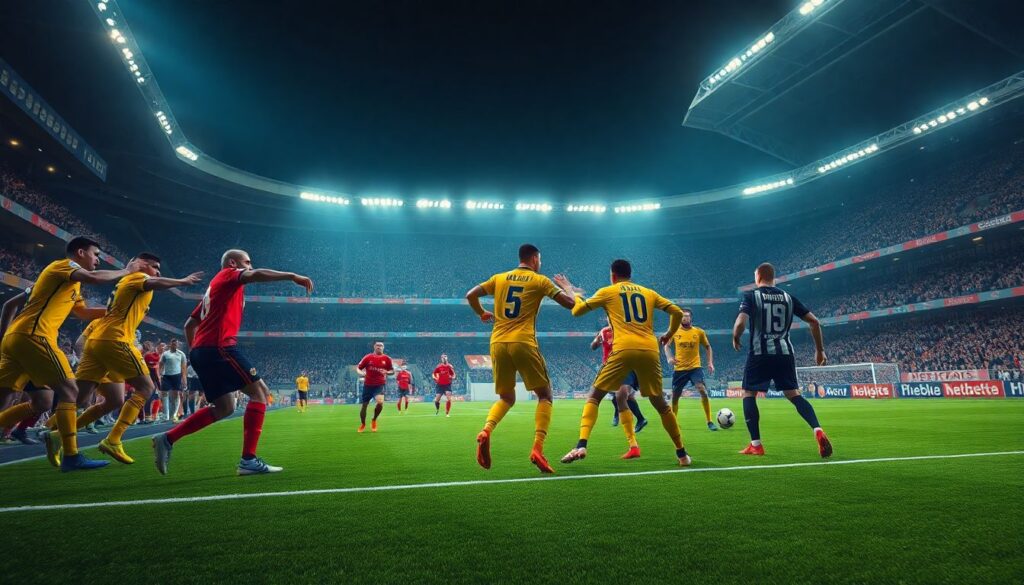
Looking at the evolution up to the mid‑2020s, the biggest trend in Turkish Champions League nights is a shift from pure emotion to controlled aggression. Clubs like Galatasaray, Fenerbahçe, and Beşiktaş invest in data analysis, GPS tracking, and opponent‑specific game plans. Instead of “just” riding the noise, coaches deliberately time pressing waves with crowd energy, instructing full‑backs when to push high and when to stay in a mid‑block based on live staff feedback. Another notable trend is squad composition: more balanced rosters mixing seasoned European pros who’ve “seen it all” with young, high‑ceiling local talents. These veterans help to channel the atmosphere productively instead of letting the game become too stretched. The result is that European nights in Turkey still feel wild on television, but under the surface they’re increasingly informed by analytics, periodization, and sports science — a hybrid of old‑school intimidation and new‑school planning.
How Travel Culture Is Changing the Experience
European nights used to be mostly local affairs, but by the 2020s, international fans treat them as mini‑holidays. Search data and club marketing show a clear rise in people booking champions league tickets turkey along with weekend city breaks. Instead of flying in just for the game, many visitors spend three or four days exploring the Bosphorus, modern art districts, and street food scenes before heading to the match. This tourism boom forces clubs and stadiums to improve English‑language signage, digital ticketing, and entry procedures, but it also changes the sound of the stands slightly: you hear a mix of accents and languages, especially in neutral sections for finals. Still, the core atmosphere remains driven by domestic supporters; the tourists mostly add camera phones and social media reach, turning each big game into a global content event that amplifies Turkey’s football brand.
Planning a European Night Trip: A Practical Flow
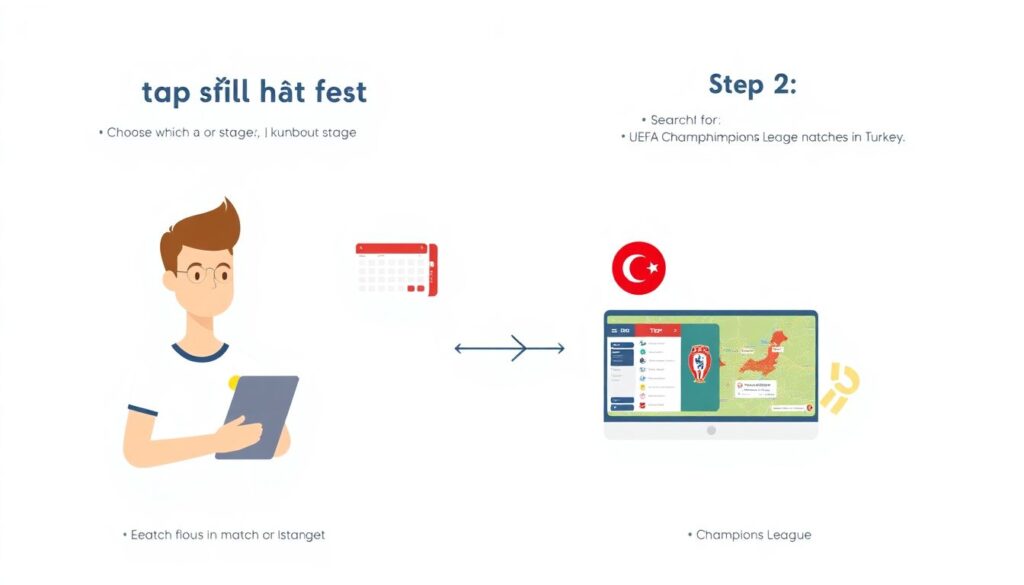
To visualize how a modern fan plans one of these trips, imagine a simple “process diagram” for an Istanbul Champions League visit:
1. Decide which match or stage you want (group game, knockout, or final) based on club schedules and your own calendar.
2. Hunt down uefa champions league matches in turkey 2024 tickets (or for the current season) through official club sites, UEFA portals, or verified resellers, checking seating maps for away vs neutral vs home sections.
3. Lock in cheap flights to istanbul for champions league dates, usually arriving at least a day before to avoid last‑minute delays and get used to the city’s rhythm and traffic patterns.
4. Pick accommodation by proximity to stadium or nightlife; many fans now search for best hotels near champions league stadiums in istanbul, balancing price, transport links, and post‑match safety.
5. Only then do you worry about transfers, local SIM cards, and how to get from the airport to your district, ideally with contactless payment set up for public transport and ride‑hailing apps.
Seen as a pipeline like this, a European night in Turkey is no longer just a match; it’s an entire user journey combining ticketing, mobility, and hospitality in a single, highly optimized experience.
Travel Packages and the “All‑In” Experience
Another new trend is the rise of curated football travel packages istanbul champions league style. Agencies bundle match tickets, hotel nights, airport transfers, and sometimes even stadium tours or museum entries into one product. This is especially attractive for fans who want the noise and spectacle without the headache of navigating secondary ticket markets or unfamiliar transport systems. From a technical standpoint, these packages are like APIs between industries: airlines, hotels, and clubs expose “slots” of inventory that agencies stitch into single offers. For the stadium, this means more predictable attendance from abroad and better planning of multilingual services. For fans, it means less risk of being scammed by fake tickets or ending up on the wrong side of the city on matchday. As demand grows, expect more dynamic pricing and dynamic bundling, where your package cost shifts based on opponent strength, kick‑off time, and seat category.
Iconic Matches as Case Studies in Tactics and Emotion
When analysts talk about “iconic” European nights in Turkey, they’re essentially building case studies that combine tactical data and crowd psychology. The 2005 final is a case of momentum swings and second‑half tactical adaptation. Beşiktaş’s big home wins show how compact 4‑2‑3‑1 blocks plus ferocious pressing traps can dismantle talented but complacent visitors. Galatasaray’s famous group‑stage upsets demonstrate how asymmetric full‑back usage — one bombing forward, the other staying deeper — can weaponize the touchline noise behind each flank. These examples are now part of scouting reports: clubs preparing to play in Turkey dedicate sections of their dossiers to “environmental factors”, which go beyond weather and pitch quality to include expected noise, pyro likelihood, and even the psychological impact of arriving at the stadium through narrow, fan‑lined streets. In other words, the match on Turkish soil starts hours before kick‑off, both on the field and in the minds of the away players.
How Future‑Facing Are Turkish European Nights?
From the outside, European nights in Turkey can look like pure nostalgia — floodlights, choreography, late drama — but under the hood the ecosystem is surprisingly forward‑looking. Stadiums roll out improved Wi‑Fi, 5G coverage, and mobile‑only ticketing, making it easier to manage crowds and harder to counterfeit entry codes. Clubs experiment with augmented‑reality content for remote fans, while in‑stadium screens now show live stats like possession maps, passing networks, and sprint counts. Even security is increasingly tech‑driven, using camera analytics to monitor crowd flow while trying not to kill the spontaneous feel that makes these nights special. The sweet spot for the rest of this decade will be preserving that intense, almost intimidating identity while layering on more comfort, safety, and digital convenience. As long as Turkish clubs keep that balance, European nights in Turkey will remain some of the most sought‑after experiences in world football — for players terrified to visit and for fans eager to witness the noise up close.