Why Classic European Matches Still Matter for Modern Tactics
If you strip away the vintage kits and muddy pitches, many classic European games look surprisingly modern. Hungary’s 6:3 at Wembley in 1953 prefigured positional play and false nines, while Ajax and the Netherlands of the 70s turned fluid pressing and rotations into an art form. Milan’s demolition of Barcelona in the 1994 Champions League final showed how a compact zonal block could outthink pure possession. These matches are not museum pieces; they’re live laboratories. When you study them carefully, you start seeing where today’s pressing triggers, inverted full-backs or overloads on the flanks actually came from. That’s why any serious learner, whether doing a football tactics analysis course or just self‑studying, eventually ends up rewatching these old games with fresh eyes and a notebook in hand.
Necessary Tools for Deep Tactical Study
Digital Tools and Data
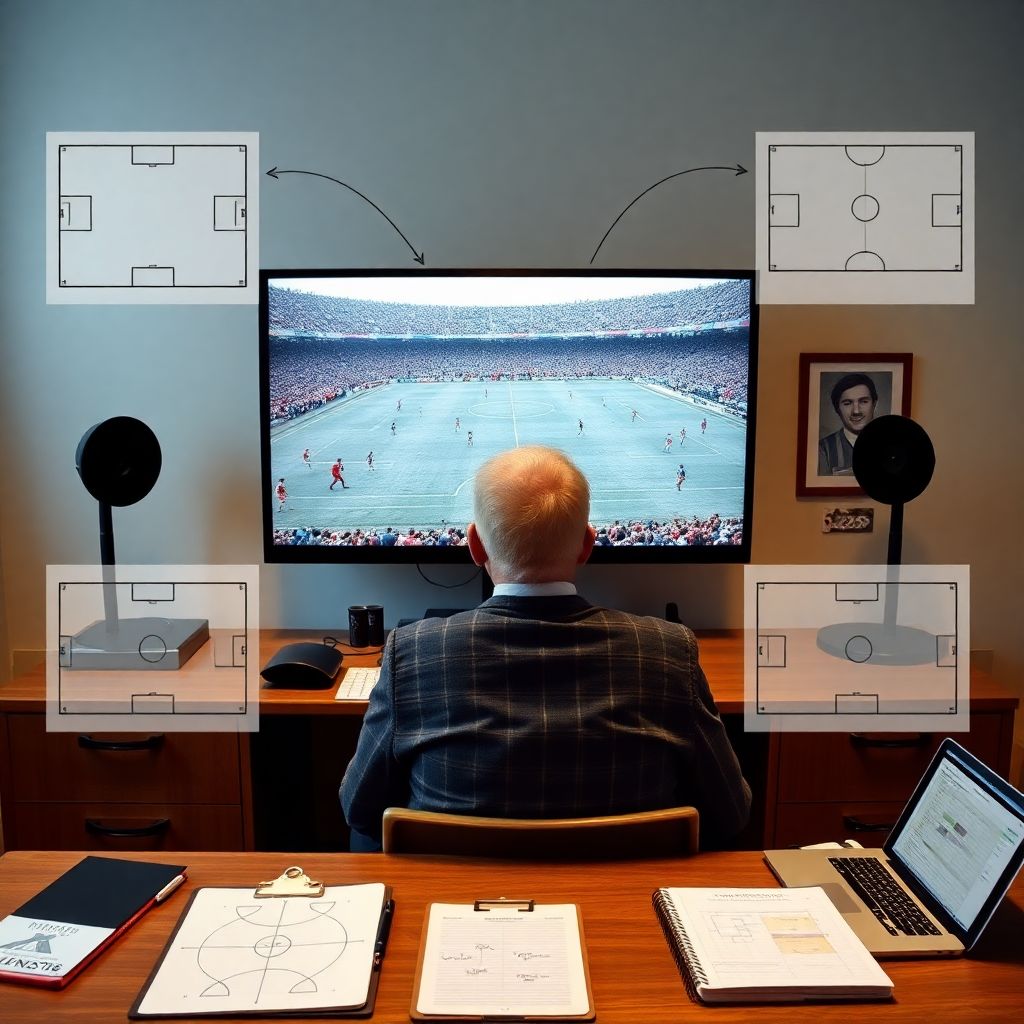
To really squeeze value out of those famous nights in European competitions, you need more than just YouTube and memories. Basic video control is vital: a platform that lets you rewind easily, slow down to 0.5x, and pause frame by frame. If you can afford it, even lightweight football match analysis software helps you tag phases of play (build‑up, pressing, transitions) and revisit them quickly. Pair this with wide‑angle footage whenever possible; TV cameras follow the ball and hide the defensive line, distances between lines, and weak‑side movements. A simple spreadsheet or note‑taking app is enough to log minute, situation, shape and your observations. This is the digital equivalent of a coach’s clipboard, and it turns passive watching into active learning.
Old-School Resources and Media
Digital tools are great, but old‑school resources still punch above their weight. Many details become clearer if you read before and after you watch. Well‑chosen football tactics books classic matches give context: why Sacchi’s Milan defended so high, or how Guardiola redesigned Barcelona’s pressing in 2009. Match reports from the time show what coaches and journalists actually noticed, rather than what we assume in hindsight. Some coaches still swear by classic european football matches dvd collections because they often include full games and sometimes alternative camera angles. Add a simple notebook where you sketch rough formations and passing networks. This blend of analog and digital tools keeps your attention on ideas instead of on rewinding endlessly or getting distracted by the algorithm’s next highlight recommendation.
Step-by-Step Process for Analyzing Classic Matches
Step 1: Understand the Context Before You Press Play
Jumping straight into a game without context is one of the big beginner mistakes. Before watching, spend 10–15 minutes answering a few questions: What was the era’s dominant tactical trend? For example, when you watch Greece win Euro 2004, remember that many teams still trusted open 4‑4‑2 systems, which made Greece’s disciplined zonal defending look radical. What were the stakes and the psychological pressure? Which key players or injuries shaped the line‑ups? Learners on online football coaching courses europe often skip this historical framing and then misjudge whether something was innovative or simply “normal for that time”. A short pre‑watch briefing—just like staff do before a modern Champions League tie—helps you see the tactical decisions as deliberate choices, not coincidences.
Step 2: Watch the Game in Phases, Not Just Once
Newcomers usually binge the full match like a movie and hope insight appears magically. A better method is to break the game into at least three viewings, each with a clear focus. In the first viewing, track only team structures: starting formations, how they look in possession and out of possession, and how they shift after goals or substitutions. On the second viewing, zoom in on one team’s behavior in key moments: build‑up from the back, pressing, defensive block, attacking in the final third. The third pass can focus on transitions—how quickly teams attack after winning the ball and how they protect themselves when they lose it. This segmented approach sounds slow, but it trains your eyes; over time you can do this kind of reading even in live games without pausing every minute.
Step 3: Turn Scattered Notes into Clear Lessons
Another frequent rookie error is filling pages with notes that never turn into actual learning. After your phased viewing, take 15–20 minutes to compress your observations into three or four key principles per team. For instance, from Barcelona–Manchester United 2009 you might extract: center-backs step into midfield to overload the build‑up, wide forwards occupy half‑spaces, and immediate counter‑pressing after loss replaces traditional rest defense. Relate each principle to modern practice: where do you see a similar idea today, and how has it evolved? This habit is what separates serious self‑study from aimless watching. It’s also how a structured football tactics analysis course works: observe, interpret, then generalize. If you coach, finish by drafting one or two simple exercises that mirror the pattern you saw, even if only on paper for now.
Troubleshooting: Common Beginner Mistakes
Misreading Shapes and Player Roles
The eye naturally chases the ball, which leads to the first big misreading: formations. Beginners often freeze a frame, see four defenders, three midfielders and three attackers, and immediately label it a 4‑3‑3 without asking how it behaves. Classic matches like Ajax in the early 70s or Guardiola’s Barcelona are notorious for “breaking” formation labels through constant rotations. To avoid confusion, track roles instead of numbers: who starts the build‑up, who occupies the half‑spaces, who pins the last line, who protects rest defense. If you use even basic football match analysis software, tag these roles by minute and see how stable or fluid they are. Over time, you’ll talk less about static 4‑4‑2s and more about dynamic responsibilities across phases.
Overrating Systems and Underrating Individual Details
Another trap is falling in love with the grand narrative: “Arrigo Sacchi invented pressing” or “Mourinho killed tiki‑taka in 2010”. Systems matter, but they live or die through tiny details. Watch Milan’s defensive line in the late 80s and you’ll see constant micro‑adjustments: stepping together, staggering, and checking shoulders in unison. Study Greece 2004 carefully and you’ll notice not just a low block, but extreme discipline in defending crosses and set‑pieces. Beginners often copy the “shape” without those details and then complain the idea doesn’t work. To fix this, pause and zoom in on distances between players, body orientation when receiving or pressing, and communication cues. Classic games are goldmines of these micromoments that rarely make it into highlight reels but decide entire tournaments.
Chasing Magic Formulas Instead of Building a Learning Routine
Many newcomers treat each famous game like a standalone “secret recipe”. They watch a final, expect to unlock one magic system, then move on. Serious coaches and analysts build a repeatable routine. Pick a small library of matches that cover different styles: a pressing masterclass, a low‑block upset, a possession clinic, a counter‑attacking blueprint. Some people still build this library from classic european football matches dvd collections; others rely on online archives or recordings from online football coaching courses europe. What matters is consistency. Rotate through these games every few months and update your notes as your understanding grows. You’ll be surprised how much more you notice the third or fourth time you revisit, especially if you’ve also been reading and experimenting on the training pitch.
Forgetting to Use External Help and Modern Resources
One last issue: trying to do everything in isolation. There’s nothing heroic about reinventing the wheel. Commentaries from reputable analysts, well‑researched podcasts and specialized books massively speed up your learning. Many football tactics books classic matches dissect specific games with diagrams you can compare to your own sketches, which is a great way to test your eye. If you like structure and feedback, a good football tactics analysis course can give you assignments on real historical games and force you to defend your conclusions. Combine that with curated video, articles and your own questions, and your study of classic European matches stops being nostalgic viewing and becomes an ongoing, practical apprenticeship in how modern football really works.