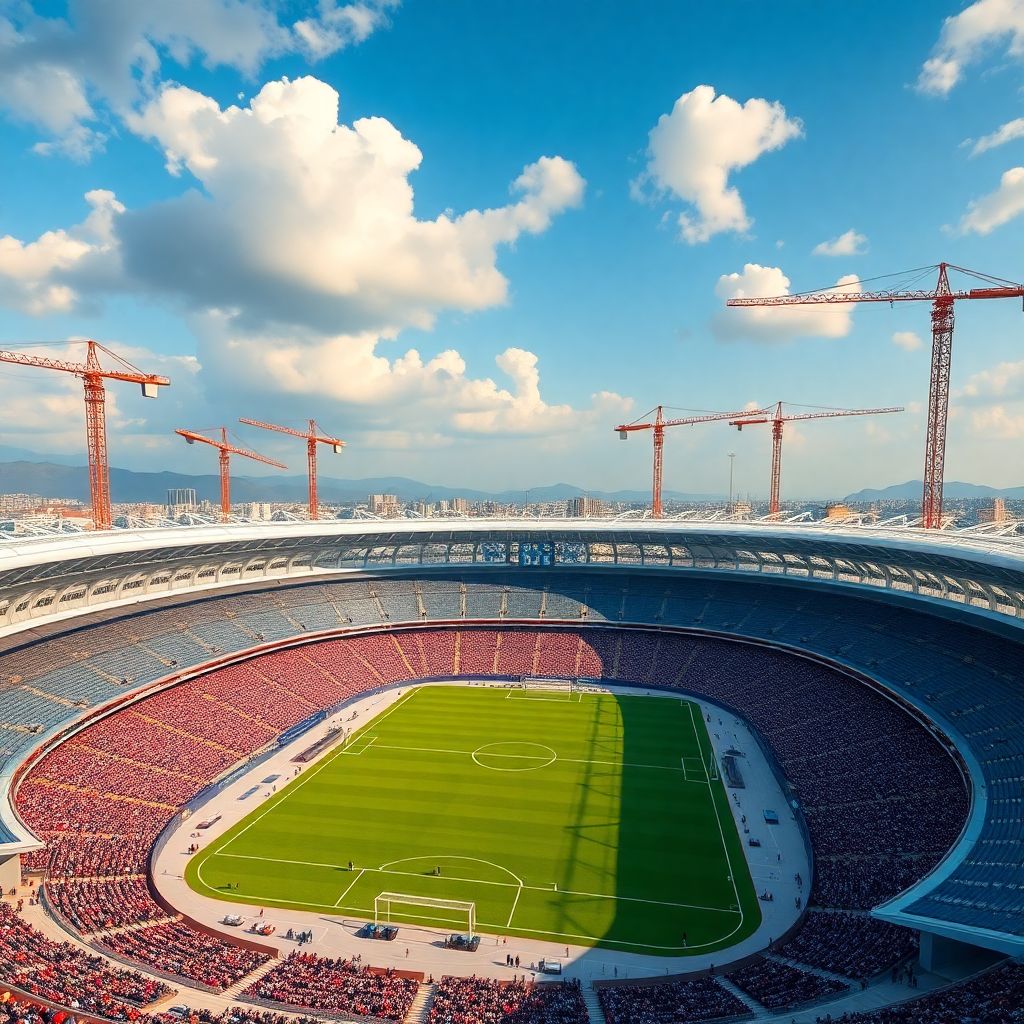
The Süper Lig can realistically approach top‑five status only if it fixes structural economic issues, upgrades governance and youth development, and modernises infrastructure. Without tighter cost control, stronger academies and better commercial strategy, it will stay just below Europe’s elite. With coordinated reforms, a medium‑term breakthrough is possible.
Executive summary: Süper Lig’s realistic path to top‑five status
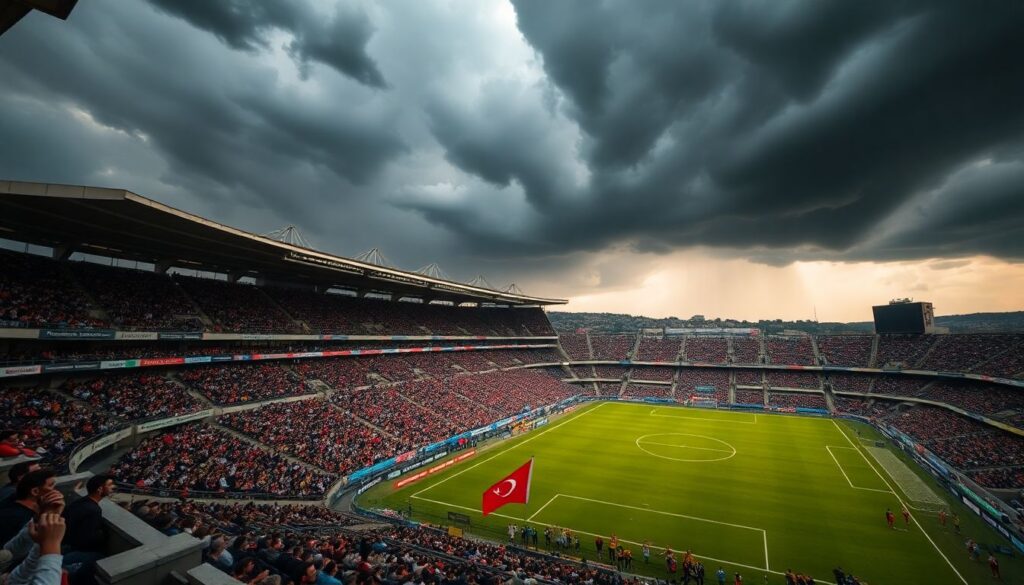
- The Süper Lig’s football culture and fan base are at top‑five level, but financial discipline and infrastructure remain clearly below the big European leagues.
- Over‑reliance on volatile broadcasting income and foreign‑currency debt makes clubs vulnerable to economic shocks and exchange‑rate swings.
- Weak governance, short‑term politics and inconsistent application of financial fair play rules block sustainable squad building.
- Academies and data‑driven scouting are underused; many clubs still depend on ageing foreign stars instead of developing and exporting talent.
- Stadiums improved, but matchday and digital fan‑engagement revenue stay under potential due to poor pricing, experience design and CRM.
- With realistic reforms over 5-15 years, the Süper Lig can become Europe’s “best of the rest” and occasionally compete with the current top five.
Current competitive and financial standing of the Süper Lig
The Süper Lig sits just below Europe’s traditional big‑five (England, Spain, Germany, Italy, France) in visibility and passion, but not yet in consistent sporting or financial performance. In UEFA rankings, Turkish clubs fluctuate between competitive and underperforming seasons, often depending on one or two overachieving teams.
Financially, the league is highly concentrated in a few Istanbul giants, with the rest of the clubs fighting for stability. The typical club balance sheet shows heavy wage bills, transfer‑fee instalments and bank debt. Exchange‑rate risk further distorts planning because many contracts are linked to foreign currencies while local income is in lira.
When doing any Turkish Super Lig vs top 5 European leagues comparison, you clearly see gaps in recurring commercial revenue, academy‑produced player sales and long‑term planning. The Süper Lig still behaves like a top‑five league in ambition and pressure, but like a second‑tier league in many management practices.
| League | Overall financial scale | UEFA competitiveness band | Average attendance level |
|---|---|---|---|
| Premier League | Very high, globally dominant | Consistent deep runs every season | Top tier in Europe |
| La Liga | Very high | Regular title challengers in Europe | Top tier / upper tier |
| Bundesliga | Very high with strong stability | Frequent late‑stage appearances | Top tier with high occupancy |
| Serie A | High and recovering | Competitive with ups and downs | Upper‑tier European level |
| Ligue 1 | High but more concentrated | One or two regular contenders | Medium to upper‑tier |
| Süper Lig | Medium with high volatility | Chasing pack, inconsistent group‑stage progress | Passionate but uneven across clubs |
Broadcasting rights, sponsorships and UEFA income: gaps and levers
Media, sponsorship and UEFA prize money are the main external cash sources for Turkish clubs. Mismanaging them is one of the fastest ways to block progress towards top‑five status.
- Unstable domestic TV contracts
Many clubs budget on optimistic projections instead of cautious Super Lig TV rights revenue analysis. When contract renewals bring lower fees or different payment structures, wage commitments become unsustainable overnight. - Limited growth in international exposure
The Super Lig broadcasting rights market value internationally remains below potential, partly due to late kick‑off times, inconsistent marketing and unclear brand positioning versus other mid‑tier leagues. - Over‑dependency on central distributions
Some clubs build models almost entirely around TV and UEFA money. When they miss European qualification, they suddenly face liquidity crises instead of having diversified local sponsorship and matchday income. - Short‑term sponsorship deals
Many partnerships are signed season by season, often with politically connected or low‑synergy brands. This prevents long‑term co‑investment in fan data, content and international promotion. - Poor use of digital rights
Clubs and the league under‑exploit OTT, international streaming, behind‑the‑scenes content and language‑targeted channels that could raise Super Lig broadcasting rights market value without waiting for a giant TV deal. - UEFA income treated as guaranteed
UEFA group‑stage money is often baked into base budgets instead of being seen as a performance bonus. A single poor season can cause a chain reaction of delayed salaries and forced player sales. - Exchange‑rate mismatch
Media and sponsorship contracts are frequently in local currency, while many expenses are foreign‑currency linked. Without hedging or cautious planning, clubs lose much of the real value of new deals.
Club governance, ownership models and fiscal controls
Governance is where the Süper Lig either closes the gap or falls further behind. Structural mistakes in how clubs are owned and controlled create chronic instability.
- Member‑owned giants with political cycles
Big clubs tied to member elections often prioritise short‑term sporting success over financial sanity. Boards sign expensive contracts before elections, expecting the next management to deal with the consequences. - Family or individual owners without checks
In some provincial clubs, one dominant shareholder acts without robust board oversight, leading to risky bets on promotion, speculative transfers and opaque related‑party deals. - State‑linked influence and soft bailouts
Informal guarantees from banks or public entities create moral hazard. Management assumes that big losses will eventually be restructured, so there is little urgency to fix the underlying model. - Weak internal controls and reporting
Basic governance tools like multi‑year budgeting, rolling cash‑flow forecasts, independent audits and risk committees are often treated as formalities instead of core steering instruments. - Inconsistent enforcement of regulations
Even when league rules or licensing criteria exist, enforcement can be uneven. This undermines trust and also dilutes the financial fair play impact on Turkish Super Lig clubs, because disciplined behaviour is not clearly rewarded. - Misalignment between sporting and financial KPIs
Coaches are judged week to week, while financial departments think in seasons. Without integrated targets, transfer strategy and wage structures drift away from any sustainable plan.
Player development, academy systems and transfer-market dynamics
A top‑five league exports talent and reinvests the profits. The Süper Lig still acts more as an importer of semi‑finished or ageing players, missing a huge value‑creation opportunity.
Structural advantages of the Süper Lig talent environment

- Rich local talent pool: A large, football‑obsessed population and strong street‑football culture provide raw material for elite players if properly scouted and coached.
- Big‑match atmosphere: Young players who break through at major clubs learn to handle pressure early, which can make them attractive to foreign teams.
- Strategic geography: The league can scout both Europe and neighbouring regions, creating arbitrage opportunities if combined with good analytics.
- Growing data and analytics ecosystems: More clubs are at least experimenting with tracking data, video platforms and statistical scouting.
Current limitations and typical mistakes in player strategy
- Over‑reliance on short‑term foreign signings: Many squads are built around experienced imports on high wages and short contracts, leaving little space for academy graduates.
- Underinvestment in coaching, overinvestment in fees: Clubs spend on transfer fees instead of elite youth coaches, sports science and long‑term development structures.
- Lack of clear player‑trading models: Very few clubs define target age profiles, re‑sale strategies and risk limits for deals, so each window becomes improvised.
- Poor pathway from academy to first team: Talented youngsters either stagnate in U19 squads or are loaned without clear plans; they seldom receive structured minutes in the top division.
- Emotional transfer decisions: Short‑term fan pressure or media narratives frequently push signings that do not fit tactical or financial logic.
- Weak contractual protection: Incomplete bonus structures, unrealistic buy‑out clauses or short remaining contract durations reduce leverage when selling to bigger leagues.
Infrastructure, matchday revenue and fan engagement modernization
Several modern stadiums already exist in Turkey, but they are not fully monetised. Mistakes in experience design, pricing and digital strategy keep matchday revenue and engagement below the league’s natural ceiling.
- Seeing stadiums only as 90‑minute venues
Clubs forget non‑matchday uses: conferences, concerts, tours, museum experiences, corporate boxes during weekdays and community events. - One‑size‑fits‑all ticket pricing
Flat or politically sensitive pricing ignores segments such as families, tourists, members and ultra groups, leaving money on the table and harming atmosphere management. - Neglecting CRM and data ownership
Relying on intermediaries for ticketing and merchandising means the club does not control fan data, blocking targeted campaigns and dynamic pricing. - Outdated fan communication
Over‑focus on traditional media instead of bilingual social channels, short‑form video and interactive content limits global reach and sponsor appeal. - Ignoring away‑fan experience
Poor treatment of away supporters harms the league’s brand abroad and reduces its attractiveness in any international Super Lig TV rights revenue analysis. - Missed opportunities in women’s and youth games
Clubs rarely integrate women’s teams and youth matches into their overall fan‑engagement strategy, missing both development and commercial benefits.
Strategic roadmap: reforms, milestones and probabilistic timelines
A realistic roadmap to approach top‑five status must be phased. Each phase reduces key risks and unlocks higher‑value opportunities, especially for those planning to invest in Turkish football clubs Süper Lig wide.
Short term (1-3 seasons): stabilise and stop the biggest leaks
- Audit finances, contracts and governance practices at league and club level; immediately freeze obviously unsustainable commitments.
- Introduce stricter licensing rules with automatic sporting or financial sanctions for non‑compliance, applied consistently to all clubs.
- Re‑benchmark media, sponsorship and matchday strategies against peers using a structured Turkish Super Lig vs top 5 European leagues comparison.
- Define clear playing and trading models at each club: target squad age profile, wage‑to‑income ceiling, maximum contract length and exit terms.
Medium term (4-7 seasons): build competitive advantages
- Scale up academies with standardised coaching curricula, sports science support and transparent pathways into first teams.
- Centralise some commercial functions (international media, data rights, betting partnerships) to strengthen bargaining power.
- Modernise ticketing, membership and loyalty systems to grow predictable matchday and fan‑data‑driven income.
- Align domestic regulations with UEFA standards so that the financial fair play impact on Turkish Super Lig clubs reinforces, rather than conflicts with, local rules.
Long term (8-15+ seasons): consolidate a top‑five challenger profile
- Create a stable pipeline of academy‑produced players sold to top‑five leagues, reinvesting proceeds into facilities and analytics.
- Position the league brand as high‑emotion, high‑intensity and tactically modern, supported by international content and language‑specific digital channels.
- Negotiate media and sponsorship packages that reflect an upgraded Super Lig broadcasting rights market value, including tailored international products.
- Ensure at least two or three clubs consistently compete in UEFA group stages and occasionally reach advanced rounds.
Illustrative mini‑case: turning a mid‑table club into a sustainable exporter
Consider a hypothetical Anatolian club that has just avoided relegation and is financially fragile.
- Season 1-2: Cap wages, cut expensive veterans, hire a strong academy director and invest in data‑informed scouting for undervalued young players.
- Season 3-4: Integrate two or three academy graduates into the first team each year, sell one rising star abroad at a healthy profit, reinvest into facilities and analytics rather than marquee signings.
- Season 5-6: Become known as a reliable development club, attract better young prospects and expansion capital from investors who want to invest in Turkish football clubs Süper Lig wide, with a clear path to both sporting competitiveness and transfer profits.
Concise action checklist for key stakeholders
League and federation level
- Implement transparent licensing, wage‑to‑income limits and consistent sanctions for overspending.
- Centralise data, international marketing and select commercial rights to build a coherent Süper Lig brand.
- Use independent Super Lig TV rights revenue analysis before every media tender to avoid over‑optimistic projections.
Club executives
- Adopt three‑year rolling budgets that separate guaranteed income from performance‑based bonuses.
- Prioritise academy, coaching and analytics spend over speculative transfer fees and short‑term wages.
- Design fan‑centric matchday experiences and digital products that grow recurring, predictable revenue.
Investors and financial partners
- Demand clear governance reforms, board representation and reporting before injecting capital.
- Link financing costs or equity tranches to KPIs such as wage‑to‑income ratios, academy minutes and net transfer balance.
- Back multi‑club or strategic partnerships that create shared scouting and development platforms rather than isolated bets.
Self‑check: are you avoiding the most common mistakes?
- Have you stopped planning budgets on best‑case TV and UEFA income instead of conservative scenarios?
- Is there a documented, realistic pathway from academy to first team, with clear playing‑time targets?
- Do governance structures separate short‑term sporting pressure from long‑term financial decisions?
- Are infrastructure and fan‑engagement projects measured by lifetime value of fans, not just ticket sales?
- Does every major decision clearly move the Süper Lig closer to top‑five practices, or just repeat old habits with new names?
Practical answers for clubs, investors and fans
How close is the Süper Lig today to becoming a top‑five league?
Sportingly, the Süper Lig is competitive on its best days but inconsistent across clubs and seasons. Economically and structurally it is still clearly behind the current top‑five, mainly due to volatile finances, governance weaknesses and underused academies.
What is the single biggest economic risk for Süper Lig clubs?
The combination of foreign‑currency costs and locally denominated income is the most dangerous risk. A sudden exchange‑rate swing can turn a manageable wage bill into a crisis if clubs have not hedged or maintained conservative financial buffers.
Can better TV and sponsorship deals alone solve the league’s problems?
No. Improved media and sponsorship income helps, but without cost control, governance reform and a stronger player‑development pipeline, new money is quickly consumed by higher wages and fees. Structural changes must come first; bigger deals should reward, not replace, discipline.
Is it still attractive to invest in Turkish football clubs Süper Lig level?
It can be attractive if investors enter with governance guarantees, clear exit strategies and a focus on academies, data and fan monetisation. Blindly funding short‑term transfers or covering old debts without structural reform is very risky.
How important is UEFA performance for reaching top‑five status?
UEFA performance is crucial both financially and reputationally. Regular group‑stage participation and occasional deep runs increase income, player valuations and brand strength. However, chasing UEFA success with uncontrolled spending usually backfires; sustainability must come first.
What quick wins are possible in fan engagement and matchday revenue?
Segmented ticket pricing, improved stadium services, better digital communication and basic CRM adoption can boost revenue in a few seasons. These moves require more management focus than heavy capital expenditure and create a stronger platform for long‑term projects.
How long could it realistically take for the Süper Lig to be seen as a top‑five challenger?
With coordinated reforms, visible progress can appear within three to five seasons, particularly in finances and talent production. Genuine, widely accepted “top‑five challenger” status is more likely over eight to fifteen seasons of consistent governance and competitive performance.